
The role of Physiotherapy in shaping women’s healthcare
By Conexus MedStaff - Posted Mar 6, 2026
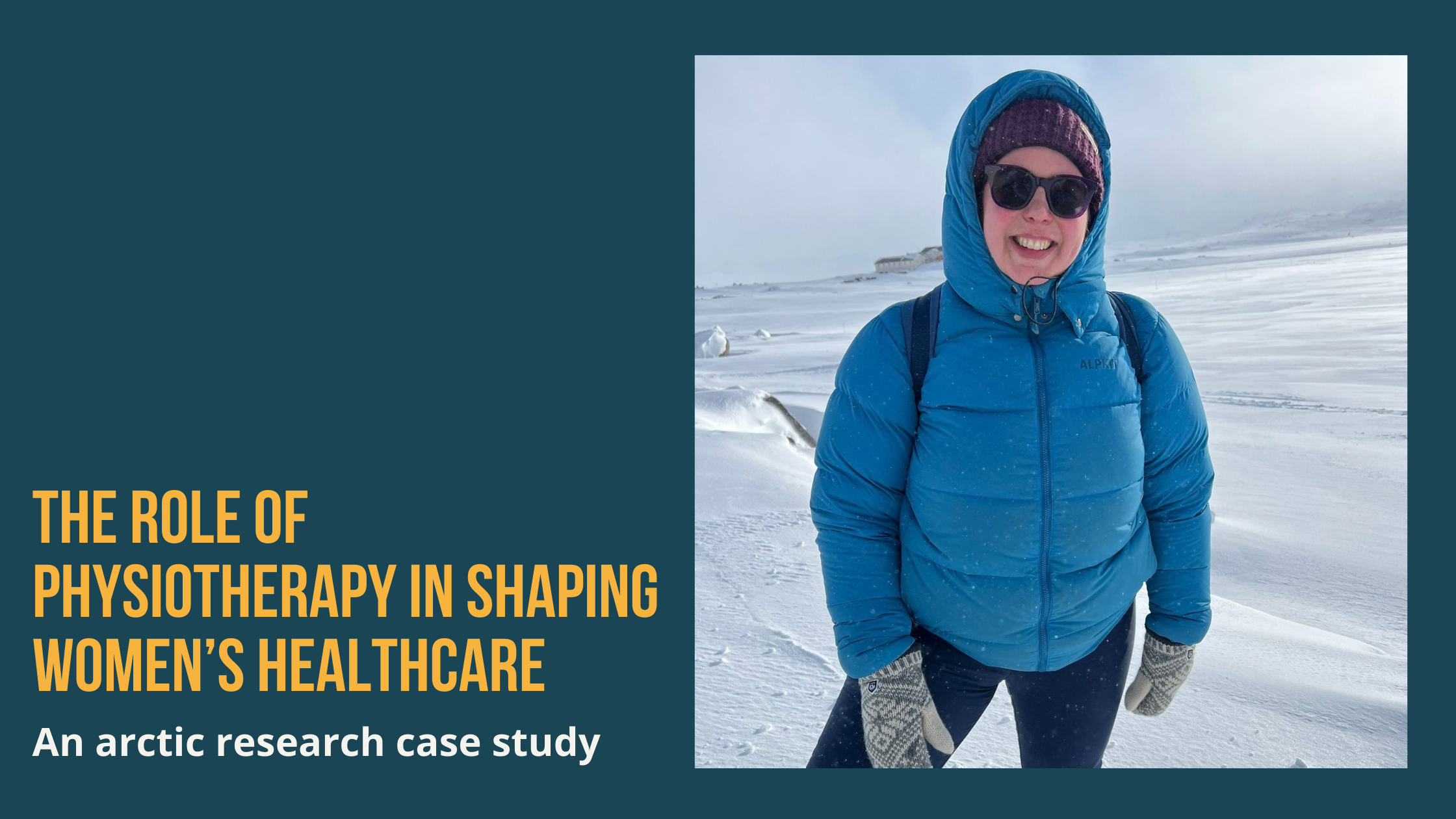
Women’s health has long been overlooked, yet it affects half the world’s population every day. From adolescence to adulthood, women face unique physiological challenges that are still under-researched, even in modern medicine. This Women’s History Month, we’re highlighting the work of specialists like Kirsty Docwra, a physiotherapist and member of the family behind Conexus MedStaff, who are working to better understand and support women’s health.
Throughout her career, Kirsty has dedicated herself to understanding and improving care for women, combining clinical expertise with research-driven insight. She began her career as a musculoskeletal physical therapist before specializing in women’s health, eventually opening her own practice to provide tailored services supporting women’s well-being.
In 2025, Kirsty completed a Master’s degree researching adolescent pelvic health, focusing on improving education and awareness in schools around reproductive and pelvic health. Building on this foundation, her work has now taken her into one of the world’s most remote settings – supporting research on an all-female Arctic expedition.
The Girls Trip: Exploring Women’s Health in Extreme Environments
After attending the World Extreme Medicine Conference, Kirsty was invited to support research for The Girls Trip 2026, an all-female team of six women preparing to traverse a previously uncharted route across Svalbard, Norway. Kirsty’s role is to study how extreme environments affect women’s pelvic health, including bladder and bowel habits, hydration, and menstrual management.
“In harsh environments like the Arctic, even basic routines for women become complex,” she explains. “Limited privacy, freezing conditions, and challenging terrain make it difficult to go to the toilet or manage a period safely. Some female participants may restrict fluids, which can increase the risk of urinary tract infections. Menstrual management requires careful planning and even used products must be securely stored to avoid attracting predators.”
 These challenges don’t just affect daily comfort or health, they can shape women’s opportunities in research, exploration, and extreme environments. “The practical difficulties of managing basic bodily functions can discourage women from taking part in expeditions or fieldwork,” Kirsty notes. “This creates an unfair barrier, limiting access to experiences and careers that men often navigate more easily.”
The research compares participants’ routines at home with their experiences during the expedition. Before leaving, each woman completes detailed questionnaires and keeps diaries recording fluid intake, urination frequency, and menstrual cycle expectations. On the expedition itself, the team adapts the process to the environment, measuring bladder habits using simple methods, such as timing each urination, and tracking menstrual management challenges.
Preliminary findings have highlighted the hidden burdens women face. Some participants plan to suppress their cycle during the expedition, while others will menstruate and must carefully plan how to manage hygiene and safety. Environmental factors such as the cold, limited privacy, and the presence of wildlife make everyday tasks far more complicated than they would be anywhere else.
The Role of Physiotherapy in Shaping Women’s Health Care
By documenting these experiences, Kirsty hopes to generate evidence that can inform practical recommendations, from gear and planning strategies for expeditions to broader considerations for women’s health in other extreme or underserved contexts. Her hope is that these insights will help remove barriers, making opportunities in research, exploration, and other challenging environments more accessible and equitable for women.
This work also underscores the critical role physiotherapists play in women’s health, not only supporting patients in clinical settings but advocating for research and interventions that address women’s unique needs. In countries such as the U.S., where access to reproductive healthcare can vary widely, the need for evidence-based support and specialist care is particularly urgent.
“Women’s health is still under-researched, especially in situations beyond everyday clinical settings,” Kirsty notes. “Understanding these challenges is key to improving services and support for women, whether that’s on an expedition or in healthcare systems around the world.”
Kirsty’s research highlights the importance of understanding the unique challenges women face, whether in extreme environments or everyday healthcare settings, to create better support and opportunities. At Conexus, we carry this purpose forward by training, supporting, and investing in healthcare professionals, enabling them to provide high-quality, stable care for the communities they serve. By equipping our people with knowledge, tools, and guidance, we aim to improve wellbeing one healthcare professional at a time, strengthening both the workforce and the patients who rely on them.