In 2026, is the U.S. still worth it for international nurses?
By Conexus MedStaff - Posted Dec 12, 2025
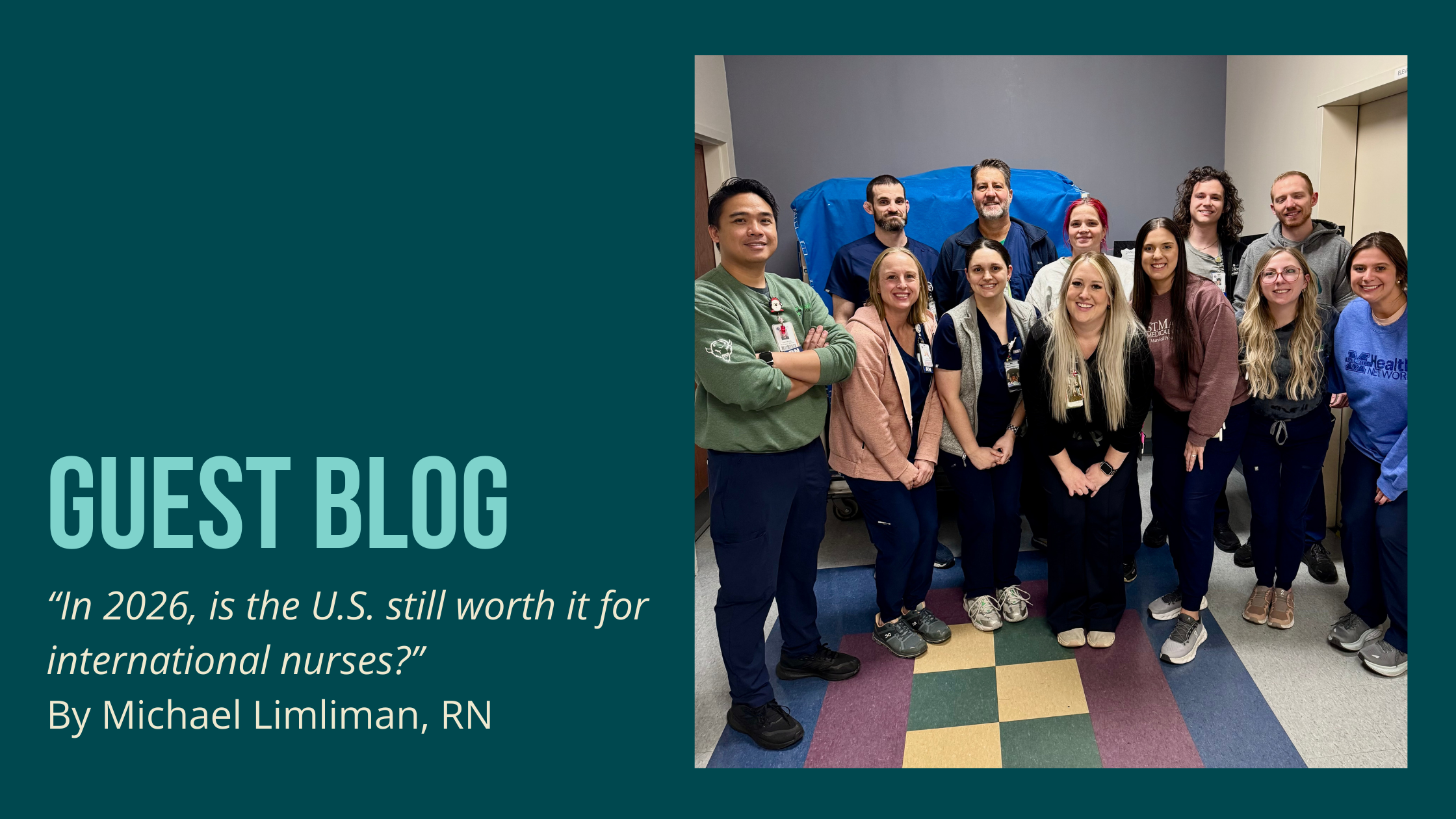
By Michael Limliman, Conexus registered nurse
When I first thought about becoming a U.S. registered nurse, I asked myself the same question many of you are asking today: “Is it still worth it?” The process can feel overwhelming – exams, paperwork, visa steps, and the fear of starting over in a new country. But every time I looked at my long-term goals and the kind of life I wanted for myself and my family, the answer became clearer.
In this article, I want to share what I’ve learned along the way. My journey wasn’t perfect, but it was meaningful. There was a lot of preparation, studying, saving, sacrificing, and hoping. If you’re dreaming of a future as a U.S. RN, I hope my experience helps you decide whether taking this path in 2026 is the right move for you. This is my story – no sugarcoating, no exaggerated promises. Just an honest account from someone who has been through it.
So… is it still worth it? Let’s break it down.
The reality of nursing in the USA
In 2026, nurses are still needed in the U.S., though with nuanced demand. Staffing gaps persist in hospitals, clinics, and nursing facilities due to experienced nurses retiring or leaving high-stress roles. Key areas of need include Med-Surg, ICU, ER, Geriatrics, Behavioral Health, and Home Health. Demand is shifting, with urban hospitals facing competition while rural areas offer better incentives and support for international nurses. Approaching this journey with flexibility can significantly increase the job opportunities available to you.
The evolving financial landscape
When you ask international nurses about their motivation to work in the U.S., salary consistently ranks among the top reasons, and understandably so. Nurses in the U.S. still enjoy significantly higher wages compared to many other countries. However, as we approach 2026, we are moving away from the pandemic-level pay. Travel-nurse rates have become more standardized, hospital staffing budgets have settled, and the reliance on overtime has decreased compared to previous years.
The immigration and licensing journey
Let’s be frank, this is the aspect that tends to overwhelm many international nurses. As we approach 2026, the licensing and immigration process remains active, but it demands patience, thorough preparation, and realistic expectations. The usual journey consists of several steps, including:
- Credential evaluation
- Passing the NCLEX-RN
- An English exam for specific visa categories
- Obtaining state licensure
- Securing employer sponsorship
- Completing visa processing
The work environment: the opportunities and the challenges
I won’t beat around the bush — nursing in the U.S. is a profession that is both fulfilling and challenging. Since 2010, I have worked as an ER nurse in various countries; however, in the United States, nurses frequently encounter high patient acuity, rapid workflows, extensive documentation, staffing shortages in specific departments, and burnout in high-pressure areas such as the Emergency Department.
Despite these obstacles, international nurses frequently value the advantages they encounter: cutting-edge technology, well-defined scopes of practice, robust patient safety protocols, comprehensive orientation programs, and plentiful opportunities for specialization or advancement. Personally, the professional development I experienced in the U.S. made all the challenges worthwhile. I emerged as a more confident, skilled, and empowered nurse.
Is it worth it in 2026?
Having experienced the realities up close, I can assert with confidence that pursuing a nursing career in the U.S. in 2026 is still a valuable choice. Although it may not be suitable for everyone, it is worthwhile if you are ambitious, patient, open to location, dedicated to personal growth, and prepared to face a professional challenge.
It might not be worthwhile if you’re anticipating rapid visa processing, pandemic-level salaries, low-stress responsibilities, instant stability, or guaranteed positions in leading hospitals. Achieving success in the U.S. relies on your mindset, preparation, and flexibility.
My advice to nurses chasing the American dream
After reflecting on my own experience and learning from many international nurses, my conclusion is clear: pursuing a U.S. RN career is still worthwhile in 2026. Although the journey is complex, the opportunities, demand, and long-term growth remain strong.
The journey may be demanding, but the rewards are life-changing for those who persevere. This is exactly why surrounding yourself with the right support system — especially a trustworthy international nursing agency — can transform your journey and make your transition to the U.S. far smoother.
To every international nurse holding onto this dream, I hope these words give you hope and confidence. Wherever you are in the process, early on or well along the way, remember: your dream is alive, achievable, and worth fighting for every step of the way.
Apply Today